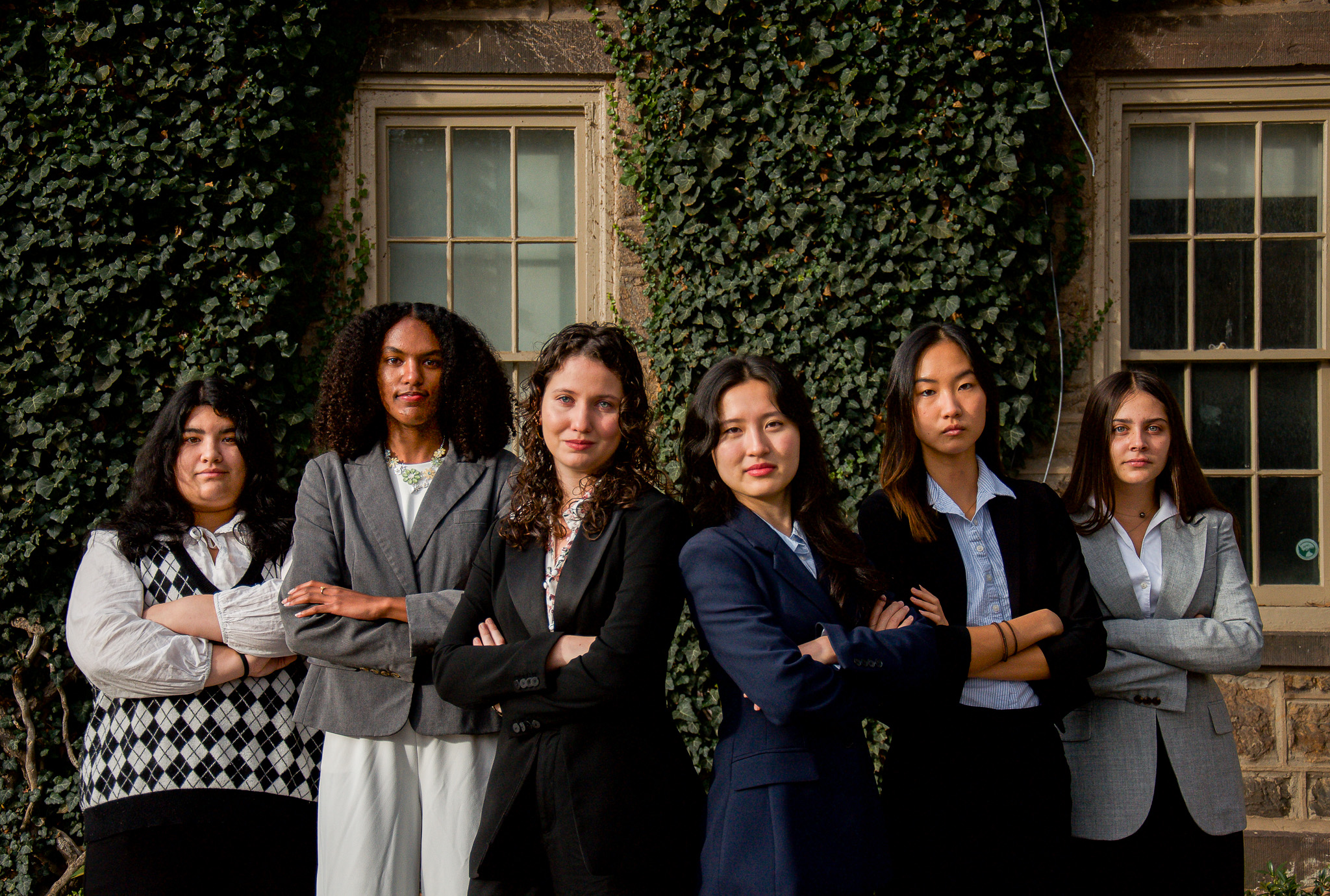
My Slate

President Marvel Jem Roth
Hi Princeton! I’m Marvel, and I’m running for USG President because it’s past time for change.
I’ve been in USG since 2024, and I currently serve as Treasurer. I’m the most experienced candidate with a track record of fighting for you against local data centers, orientation cuts, infringements on free expression, and Princeton’s sexual misconduct policy failures. Amidst budget cuts, I increased USG funding for student organizations by 34% and worked on USG’s response to dining changes, the NJTransit discount program, and student rights advocacy.
My administration will fight back against major cuts to the Princeton experience, advocate for major reforms to Title IX, free expression, and civil liberties policies, and secure universal access to menstrual products on campus and a permanent discount on NJ Transit.
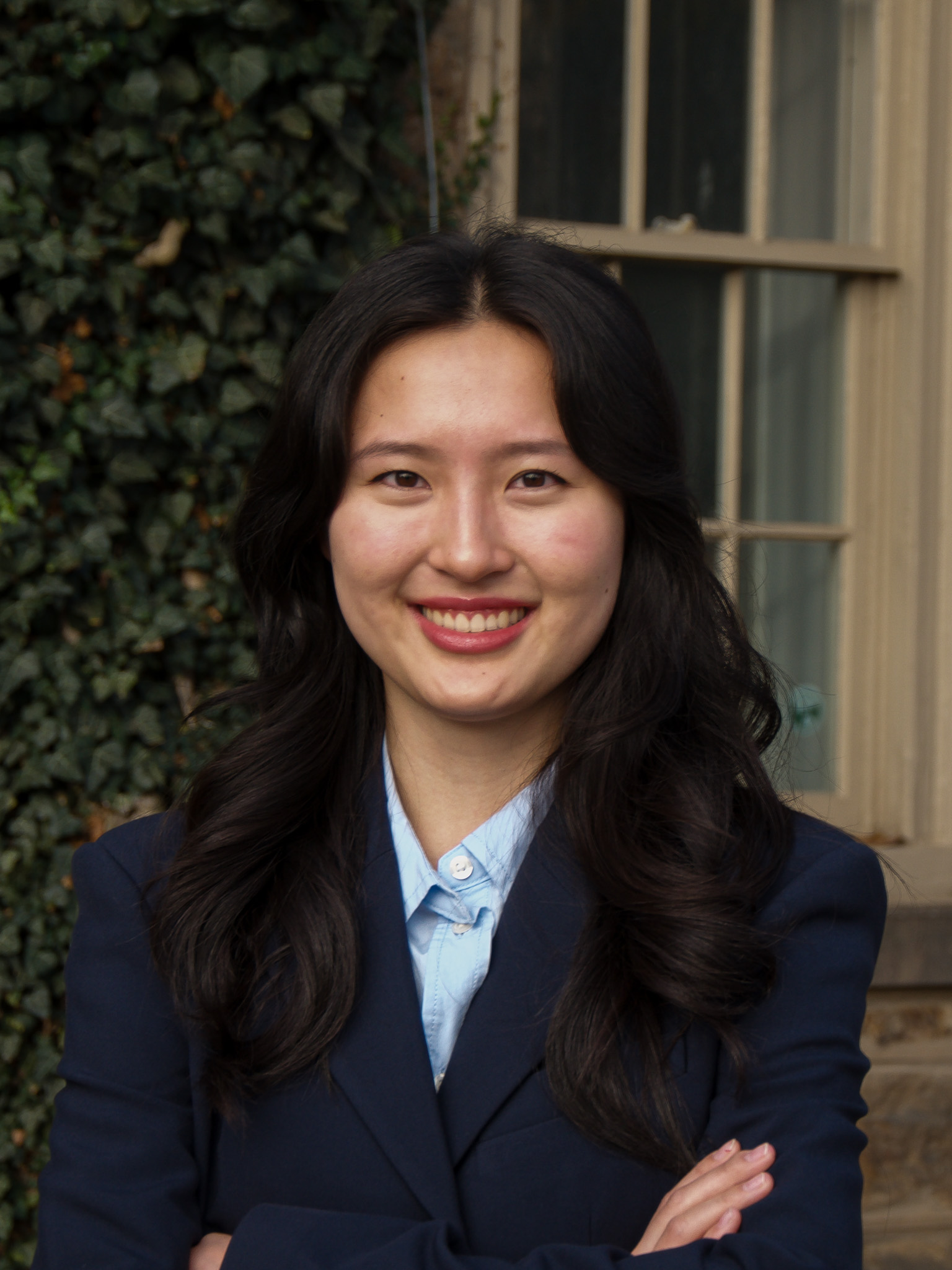
Vice President Vivian Chang
Hi, I’m Vivian! You may know me as the Social Chair who brought Fetty Wap and Normani to Lawnparties or as a Class of ‘28 Senator! Since freshman year, I’ve worked to improve the Princeton experience: launching the USG Transit Pilot with discounted NJ Transit tickets to NYC, adding a Halal option and expanding Kosher options at Lawnparties, and integrating student feedback into every initiative I’ve led. My priority is to listen to YOUR voice and ensure you get the most out of Princeton.
As VP, I will continue listening to what you’ve voiced loud and clear with the following priorities: lessen the impacts of the small-group orientation cancellation and other budget cuts like dining and housing, integrate eating club and non-eating club communities, reform Title IX to protect everyone, and secure a permanent student discount on NJ Transit tickets.
Read more about me here.
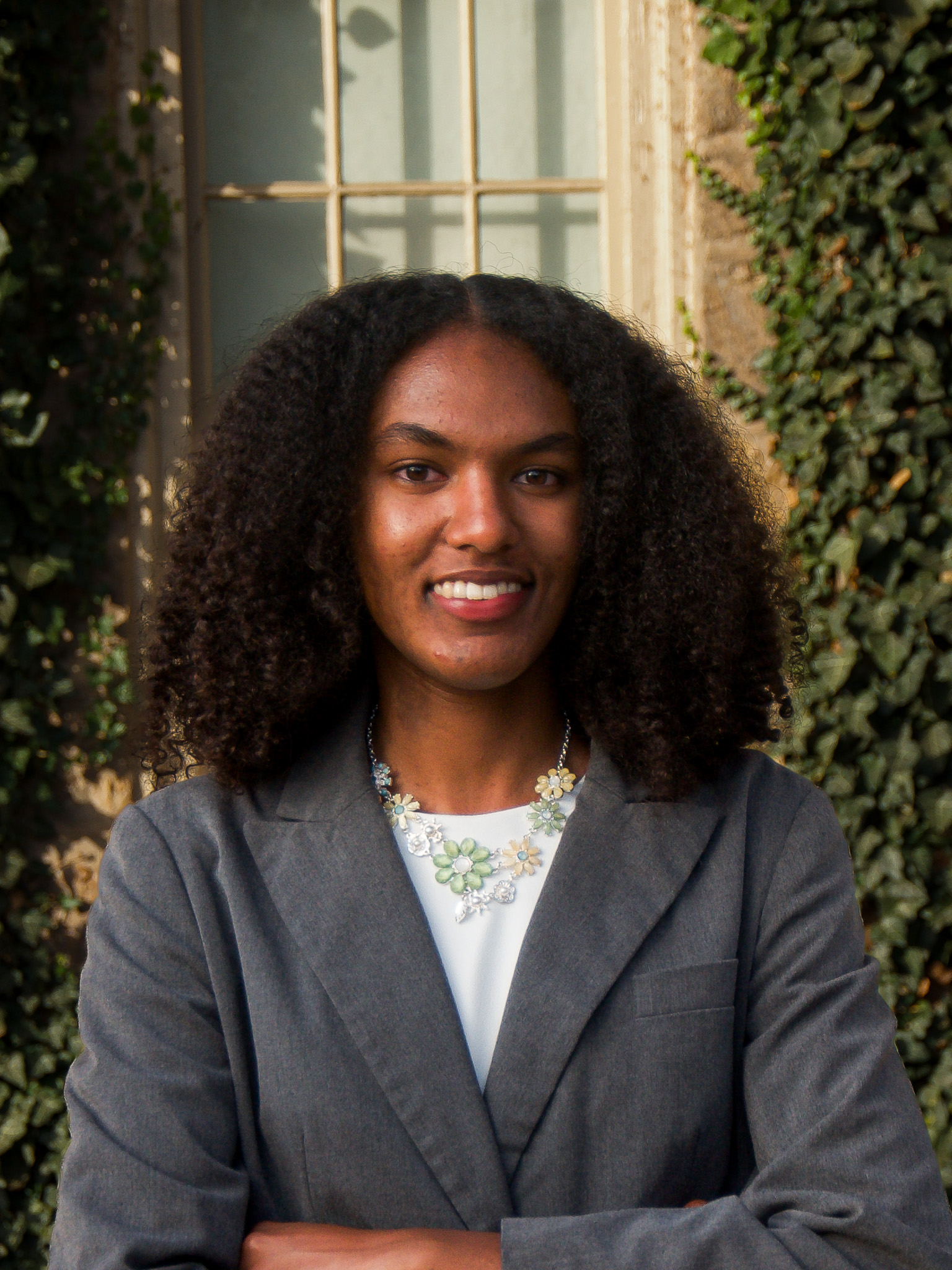
CCA Chair Anaya Willabus
My partnership-building expertise and your participation make Princeton programming the best it can be.
As your CCA Chair, I have kept my commitment to increasing programming accessibility by offering flexible, demand-based event registration capacities; publishing weekly Tigers in Town and Trips events; and using your feedback to determine our registration times.
My priorities are equity (e.g. regulating cost/person so more students can attend), organization (e.g. updating our business directory so we can give you the opportunity to try what’s new on Nassau), and efficiency (e.g. establishing University-approved transportation mechanisms to take you to novel destinations).
With your renewed support, I will finalize the Religious Transit Program, piloted last semester, and launch the Rewards Program, designed this Fall.
Read more about me here.
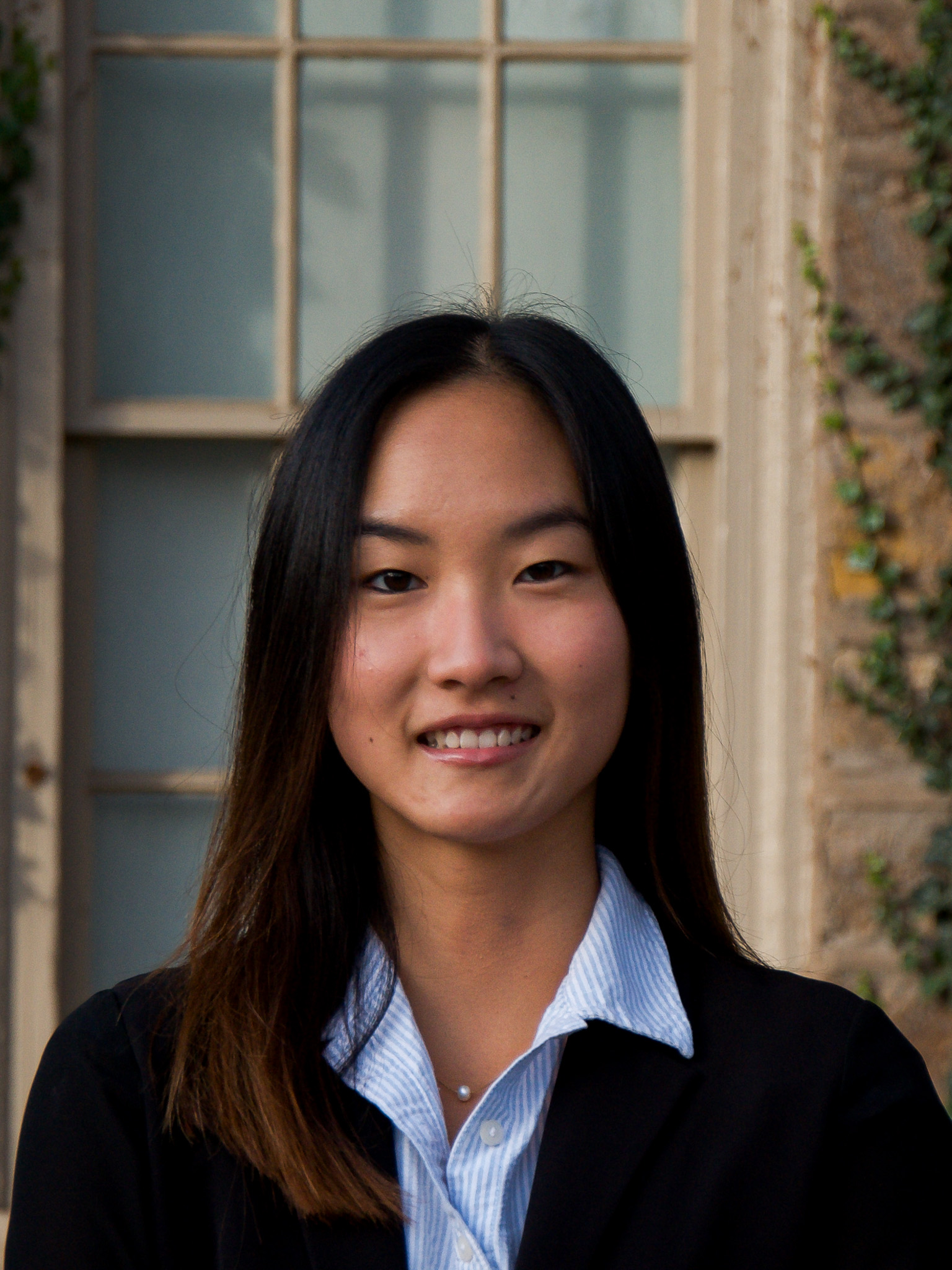
DEI Chair Angela Li
Hi Princeton! During my time as a U-Councilor and DEI Committee Member, I’ve advocated for international students as Co-Chair of the International Student Working Group and worked with Campus Dining to introduce Lunar New Year meals. I make my mark on USG, and will continue to do so, by highlighting voices and perspectives that reveal areas for improvement.
I’m running for DEI Committee Chair to take a more active role in turning these conversations into change. If elected, I will (1) leverage relationships with Campus Dining to expand culturally- and religiously-inclusive options, including Halal and vegetarian meals, (2) address international student concerns, from visa questions to career opportunities, and (3) survey student groups to inform data-driven policy advocacy.
Read more about me here.

Sustainability Chair Mira Quayle
Growing up in the Colorado mountains, I developed a love for nature alongside a deep obligation to practice sustainability. I worked to make changes in my hometown’s school district, including adding solar panels to buildings, requiring sustainable guidelines for construction, and replacing single-use trays with reusable plates. I intend to make similar impacts at Princeton, including creating a guideline of sustainable practices during future construction (including but not limited to mandating permeable surfaces, implementing energy-efficient lighting, and using reclaimed water). I will work to make changes on campus such as reducing food waste and decreasing emissions by advocating for construction of affordable housing for current commuting staff on the Butler Tract — work I have begun as a Sunrise Princeton organizer.
Read more about me here.

2028 Senator Amelia Wray
Hi juniors! I’m Amelia, and I hope to be one of your ’28 senators!
As President of the USG Menstrual Product Task Force and an advocate for students across spaces, I know what it takes to demand change and see it through.
USG should be more than a space for discussion. Princeton needs ambitiously practical solutions like expanded access to menstrual products, making Title IX work for survivors, and getting students voices heard.
We deserve transparent student consultation periods before major changes to undergraduate programming. I’m sure you’re as tired as I am of hearing “We consulted students” from administrators about decisions most never even knew were being considered. I will demand sustained administrative accountability and implement transparent initiative progress tracking.
Read more about me here.
Our Nine-Point Plan
The University administration has failed to consult undergraduates on major decisions. We will work to establish processes for formal consultation and consideration of undergraduates’ ideas, working within USG and in collaboration with other students through the Accountability Coalition.
University accountability
In many recent decisions, including cuts to orientation, the introduction of the ChatGPT Plus pilot, the end of the independent dining option, the reversal of fossil fuel divestment, and more, Princeton’s administrators have failed to consult with students, including USG. That failure is both the result of an administration that does not respect USG and a USG that does not insist on being heard.
Marvel is the co-founder and co-chair of the new USG Accountability Coalition, which demands that USG fights back instead of acquiescing to the administration’s omission of student voices from their decision-making process.
As your President, Marvel will escalate this issue to be of the utmost importance to her administration. The time of USG’s incrementalism must end: it is time for active advocates who have access to administrators at the highest levels to actually give you a voice, and get you in the room.
Marvel’s administration will:
- Lead the fight for democratization of University decision-making processes, including systematic student consultation on policy changes and the substantive consideration of students’ original proposals, like USG resolutions and student-initiated referenda.
- Expand the work of the Accountability Coalition as USG’s “watchdog,” fighting egregious administrative decisions and preventing them from happening in the first place by connecting students with administrators.
- Never be complacent when fighting for students’ inclusion in decision-making processes.
Title IX and sexual misconduct policy at Princeton works for the University’s image rather than survivors. We will continue our fight to reform these processes to work for survivors by expanding alternative resolution and pushing for investigation reform.
Make Title IX work for survivors
Title IX offices across the country, including at Princeton, continue to fail students and survivors of sexual misconduct. Marvel has worked on Title IX policy changes in USG since before she was USG Treasurer and will continue to fight for better policy for you. She led the writing and push for USG’s “A Letter in Solidarity with Jane Doe vs. Cornell University and Regarding Sexual Misconduct at Princeton University,” and has followed up on that work by directly engaging with Title IX administrators at the University Student Life Committee and responding to their inadequate press statement in response to USG’s letter.
Jane Doe’s case reminds us of a reality that Princeton has not escaped: Sexual assault and misconduct remains far too common on college campuses, and ours is no exception. According to Princeton’s own surveys, more than 20 percent of undergraduates will experience sexual misconduct in any given year. And when students experience sexual misconduct, they are caught between two bad options: pursue an arduous, monthslong formal investigation, or seek alternate resolution, a mutual agreement between survivor and perpetrator. They are forced to choose between expeditiousness and justice. That is unacceptable.
All the while, Princeton’s Title IX office works to shift blame for our culture of sexual misconduct onto survivors and off of the University, at every turn intending to protect the image of the University and shield it from liability rather than keeping students and survivors safe.
Under Marvel’s administration, USG will not back down from amending Title IX policy until it works for survivors rather than to defend Princeton’s image. It is past time for Princeton, all of higher education, and the federal Title IX system to begin caring about and to stop failing survivors. It is past time for change.
Marvel’s administration will:
- Stand with survivors on Princeton’s campus by pursuing meaningful reform to sexual misconduct policies, including an improved alternate resolution process, centralized information for survivors of sexual misconduct, and increased transparency around sexual misconduct data.
- Take the fight for survivors beyond Princeton’s walls, pushing for Title IX reform on the federal level, in recognition that failures around sexual misconduct policy do not begin or end at Princeton.
We will work through the Council of the Princeton University Community and other channels to push for expanded free expression rights and civil liberties on campus, including ending the bans on sidewalk chalk and amplified sound, limiting the University’s right to determine the time, place, and manner of speech, and pushing for free expression coordinators to earn students’ trust.
Expand civil liberties, free expression, and workers’ rights
Marvel co-founded the Civil Liberties Committee when she was Deputy Projects Manager, creating a standing committee within the USG to focus on expanding civil liberties for students.
She has coauthored a resolution calling for the University to unban sidewalk chalk as a means of freedom of expression and religion. Sidewalk chalk was banned in 1995 by the University in response to pro-LGBTQ+ messaging; this ban is now prohibitive toward Hindu students who wish to use chalk to celebrate Diwali, artists, student protesters and advocates, and international students for whom anonymous speech is especially important, among others.
She is a student employee, and during her time at Princeton, has worked six jobs simultaneously. She supports efforts to build student employees’ power, especially to secure improvements in working conditions, wages, and job security.
Marvel understands the need to expand both free expression and the rights of workers on Princeton’s campus and will work tirelessly to do so as President.
Marvel’s administration will:
- Work through the Council of the Princeton University Community to end the bans on sidewalk chalk and amplified sound.
- Push to limit Princeton’s ability to “determine” the time, place, and manner of protected speech.
- Advocate for free expression coordinators to earn the trust of students rather than merely demanding it.
- Continue supporting work to enshrine the 2024 referendum to expand student workers’ rights, including more advance notice for scheduling, an increased minimum wage, and more expedited payment.
Too often, University disciplinary processes operate on the standard of “guilty until proven innocent.” We will push for a right to due process across University disciplinary bodies, modeled after the CPUC Judicial Committee. We will also work to make public the range of penalties for disciplinary violations and to increase transparency around the disciplinary process. In doing so, we will ensure students have rights and know what those rights are.
Enshrine due process rights
Marvel’s work on civil liberties has also led her to advocate for expanded due process rights at Princeton.
Through meetings with administrators, she secured an exception the University recording policy allowing exemptions to the blanket ban for the use of recordings in disciplinary cases. This means that those who experience harassment, for example, can use one-party recordings as evidence in their case without being disciplined for the recordings.
Marvel recognizes the many other shortcomings within Princeton’s disciplinary procedures, not least the lack of transparency around penalties and process, extant limitations on free expression, protest, and reporting, and the absence of a codified right to due process.
Marvel’s administration will:
- Work to codify a right to due process across University disciplinary procedures, modeled after the CPUC Judicial Committee’s existing protections.
- Create a resource detailing the various disciplinary processes at Princeton, so that students know what to expect if they become subject to one.
- Advocate for possible ranges of penalties to be specified in policies binding members of the University community, so that students know what consequences they may receive for certain actions.
- Support changes to the University Recording Policy to create protections for student journalists.
We will devote a substantial portion of the USG budget and work with administrators, residential college and departmental staff, and student leaders to create universal access to free menstrual products across campus.
Achieve universal access to free menstrual products
USG’s Menstrual Products Task Force helps to remove barriers to access to menstrual products on campus, destigmatize menstruation and reproductive health, and create a more inclusive community for students of all identities. Amelia Wray, running for Class of 2028 Senator on Marvel’s slate, is the president of the task force, and with expanded funding provided during Marvel’s time as treasurer, has hosted study breaks and tabling events to distribute products, helped open additional menstrual products distribution locations across campus, and distributed $3,000 worth of menstrual cups and related cleaning supplies, a sustainable menstrual product, to students.
Marvel’s administration will:
- Allocate USG funding to create universal access to menstrual products across campus. That means increasing the budget of the Menstrual Products Task Force to $18,000 per semester, a substantial but not unusual USG funding allocation. Budgets reflect priorities, and one of ours is reproductive health.
- Continue working with the Menstrual Products Task Force to provide programming that destigmatizes reproductive health and menstruation.
- Work with University administrators, residential colleges, and departmental staff to increase distribution sites of free menstrual products and integrate them across Princeton’s student spaces.
We will renew and expand the NJ Transit affordability pilot and extend our advocacy to the New Jersey Legislature, where we will push for the passage of A2329, a bill that would enable a permanent student discount on NJ Transit.
Secure an NJ Transit discount
Public transit connects students to the great cities around us outside the Orange Bubble, like Trenton, New York City, and Philadelphia. Yet, NJ Transit tickets are increasingly expensive every year and continue to price students out from enjoying experiences in these cities that surround us.
Since Marvel’s freshman year, she has advocated directly for a student discount on NJ Transit, and in her time in USG, has overseen the Transit Working Group, which under Vivian, the Vice President on Marvel’s slate, created the NJ Transit affordability pilot that gave away 187 $10 round trip tickets to New York City.
Now in its second year, the pilot will allocate 400 round trip tickets to NYC and 200 round trip tickets to Trenton at no cost to students for Fall 2026, with ticket distribution to come soon. Importantly, because of negotiations through the University with NJ Transit, these tickets provided by USG do not expire after 30 days and instead last for 2 years before expiring.
Marvel also used to serve on the CCA committee, planning trips for students from hikes in the Delaware Water Gap to Fright Fest at Six Flags to a Museum and Coffee crawl through NYC to professional MLB and NFL games. Anaya, the incumbent CCA chair running for re-election on Marvel’s slate, has continued to offer a high quantity and high quality number of trips and experiences for students, and will continue to do so in addition to launching a new local business rewards program through the committee. CCA will continue to offer planned experiences, including experiences in New York, and the NJ Transit subsidy will also continue to support students in accessing the greater communities around us.
Currently, the New Jersey State Assembly is working to pass NJ A2329, which would create a mechanism for the University to negotiate broadly applied NJ Transit discounts for students. Marvel has been actively meeting with University administrators in ODUS and State and Government Affairs to have this policy applied at Princeton for undergraduate students. Under her administration, she will continue this work of creating a transit discount, so more students can access experiences beyond the Orange Bubble.
Marvel’s administration will:
- Renew and expand the NJ Transit pilot to offer more free train tickets each semester, rather than just each year.
- Advocate on the state level for the passage of A2329 and any other legislation to make transit more affordable for students.
- Create a resource for students to understand their options for getting where they need to go, especially by using local buses.
- Collaborate with NJ Transit on existing initiatives to increase bus ridership by offering fare discounts.
Princeton has made much policy in an inequitable way. From the introduction of proctoring without guardrails for implicit bias to the lack of sufficient Halal dining options, Princeton needs to do better in achieving equity across its policy space. We will push for substantive equity across University policies, from proctoring to dining to the USG budget and everywhere in between.
Advance equity in policymaking
Princeton must approach its policymaking with equity at the forefront. Because of threats to their visa status, our international students are disadvantaged in work experiences and have their right to free expression curtailed. Muslim students do not have adequate spaces to pray, especially during Ramadan, and religious exemptions for students who must miss class or have restrictions on when they can work are often not granted. Proctoring, as a new institutional practice, does not account for concerns about students being disproportionately targeted for characteristics like gender, race, ethnicity, religion, age, veteran status, disability, and being an athletes. Attendance at women’s varsity sporting events is lower than at men’s despite Princeton women’s teams winning more titles.
Throughout her time in USG, Marvel has been a vocal advocate for equitable practices, raising concerns about inequitable proctoring and insisting on gender parity in funding for events run by the USG Athletics Working Group.
Angela, running for DEI Committee Chair on Marvel’s slate, used to co-chair the International Student Experience Working Group. As DEI Committee Chair, she will continue to address international student concerns, expand cultural and religious inclusive dining options, and continue the work of Morgan, the current DEI Committee Chair, in surveying student groups to inform data-driven policy advocacy.
Budget allocations also reflect priorities. As the University cuts its budget, departments are halting funding to student organizations, especially affinity groups. As a result, as Treasurer, Marvel raised Projects Board funding from $160k to $215k per semester, allocating total of an additional $80k to the Projects Board over both her terms. This helped offset the reduction in funding to affinity groups and student organizations; now, more groups than ever are requesting Projects Board funding and groups are receiving higher amounts of funding.
Marvel’s administration will:
- Push for implicit bias training and other measures to ensure exam proctoring is implemented equitably.
- Leverage relationships with Campus Dining to expand culturally- and religiously-inclusive options, including Halal and vegetarian meals.
- Advocate for international students’ rights and address their concerns, from visa- to career-related ones.
- Continue to prioritize equity in USG programming, especially for varied dietary needs.
- Survey student groups to understand where inequitable policy still exists and inform data-driven policy advocacy.
Princeton has walked back many of its commitments to the climate. We will push for the reinstatement of fossil fuel divestment; the end of PetroTiger, the fossil fuel company Princeton owns; and, through the Campus Plan Update, the construction of affordable housing on Princeton-owned vacant land to reduce campus emissions and advance environmental justice through housing justice.
Continue important climate and sustainability work
Princeton just released its new sustainability framework. In it, Marvel is glad to see a recommitment to achieving Net Zero 2046 and the emergence of new plans around environmental justice. Still, as Princeton is surrounded by overburdened communities, how Princeton engages in climate action and environmental justice work matters.
Marvel led USG’s opposition to data center development in South Brunswick, just four minutes from campus, by writing a public comment to submit to the Department of Environmental Protection that was adopted by the USG Senate and circulated to students for petition signatures, the first USG policy petition in recent memory. She also presented at the University Student Life Committee meeting in October about the data center and urged the University to make a statement against its construction on the basis of its detrimental effects to student health.
Mira, the candidate for Sustainability Chair on Marvel’s slate, has already done advocacy work through Sunrise in support of the construction of affordable housing for current commuting staff on the Butler Tract, a 36-acre plot of vacant land that Princeton owns. Providing affordable housing to Princeton’s staff is an environmental justice issue that Marvel’s slate is dedicated to continuing to address. Building housing on the Butler Tract would reduce Princeton’s emissions and advance housing justice in our community.
Marvel is also strongly opposed to the University’s decision to end the University’s divestment from fossil fuels. She believes the University should reinstate its fossil fuel divestment and end its ties to PetroTiger, the fossil fuel company Princeton owns.
Marvel’s administration will:
- Push for affordable housing to be included in the University’s 2026 Campus Plan Update.
- Renew advocacy for fossil fuel divestment.
- Work for sustainable practices in construction, campus dining, and transit.
- Engage with the Office of Sustainability to responsibly and equitably advance environmental justice through deep community engagement.
In our time on USG, we have advocated against data centers in our community and in favor of a stronger town-gown relationship. Given the University’s tendency to ignore students’ concerns, we will look beyond Princeton while continuing the fight here. Among other things, we will push for a statewide discount on NJ Transit and for Title IX reform beyond Princeton’s gates.
Look beyond Princeton
Students have, especially in recent weeks, rightfully expressed concern about their omission from University decision-making processes. One of the reasons for that exclusion is simply that it is possible to leave us out: University administrators are unaccountable to students, because of the structure of power at Princeton.
Your student representatives should fight for you beyond Princeton’s gates. Marvel has already worked on engaging the community beyond the university, from leading USG’s opposition to data center development in South Brunswick to advocating for a NJ Transit discount through proposed legislation in New Jersey that would allow Princeton to negotiate a discount for students. Through her administration, Marvel intends to fight for federal changes to Title IX policy, and will continue to fight for survivors of sexual misconduct, not only at Princeton, but across the nation’s universities.
It’s time to look beyond Princeton and understand that change, while it may begin here, can never stop here. And, really, it is long past time for change.
Our USG Experience
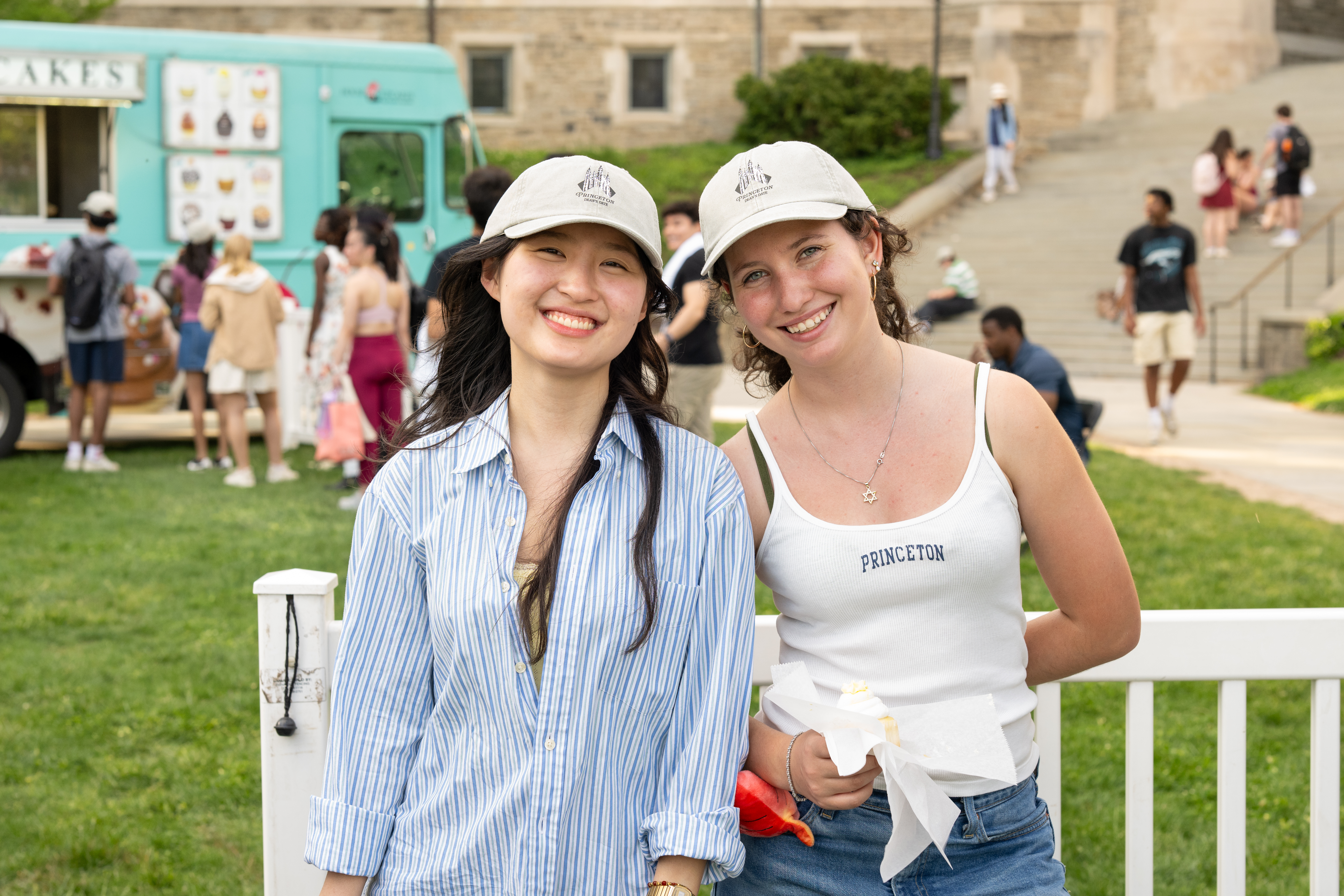

Marvel has served as USG Treasurer, USG Executive Deputy Projects Manager, and CCA Travel Logistics Officer. Vivian has served as Social Committee Chair and 2028 Senator. Anaya is the incumbent CCA Chair. Angela has served as a U-Councilor and a member of the DEI Committee. Mira has brought successful policymaking experience from high school to campus sustainability groups. Amelia has served as the President of the Menstrual Products Task Force.
Here is some of what we have accomplished on USG:
Expanded student organization funding by $80k
In 2026, Marvel increased funding for the USG Projects Board by $80k, funding student priorities amidst University budget cuts.
Led advocacy for Title IX reform
Marvel led the response to the Jane Doe vs. Cornell University case, reigniting a push for Title IX reform at Princeton she will continue as President. Before that, Marvel helped secure an exception to the University’s recording ban, allowing recordings to be admissible evidence in University disciplinary investigations, including Title IX.
Established transit affordability pilot
Vivian and Marvel established the USG Transit Pilot, which provides subsidized NJ Transit tickets to undergraduates. Now in its second year, it provides 400 round-trip tickets to New York and 200 round-trip tickets to Trenton at no cost to students.
Fought against the South Brunswick data center
Marvel led USG’s effort to oppose the South Brunswick data center, a project that would cause cancer- and asthma-causing pollution to affect the Princeton community.
Co-led response to University dining changes and orientation cuts
Marvel helped lead the response to the end of independent dining, securing free Block 32 for upperclassmen in eating clubs and co-ops, allowing meals to accumulate in upperclassmen’s accounts, and including late meal as part of Block 32. She also helped lead USG’s response to recent cuts to OA, CA, and DDA, co-authoring a resolution in opposition to those cuts and creating an Accountability Coalition which will work to reverse them.
About Marvel

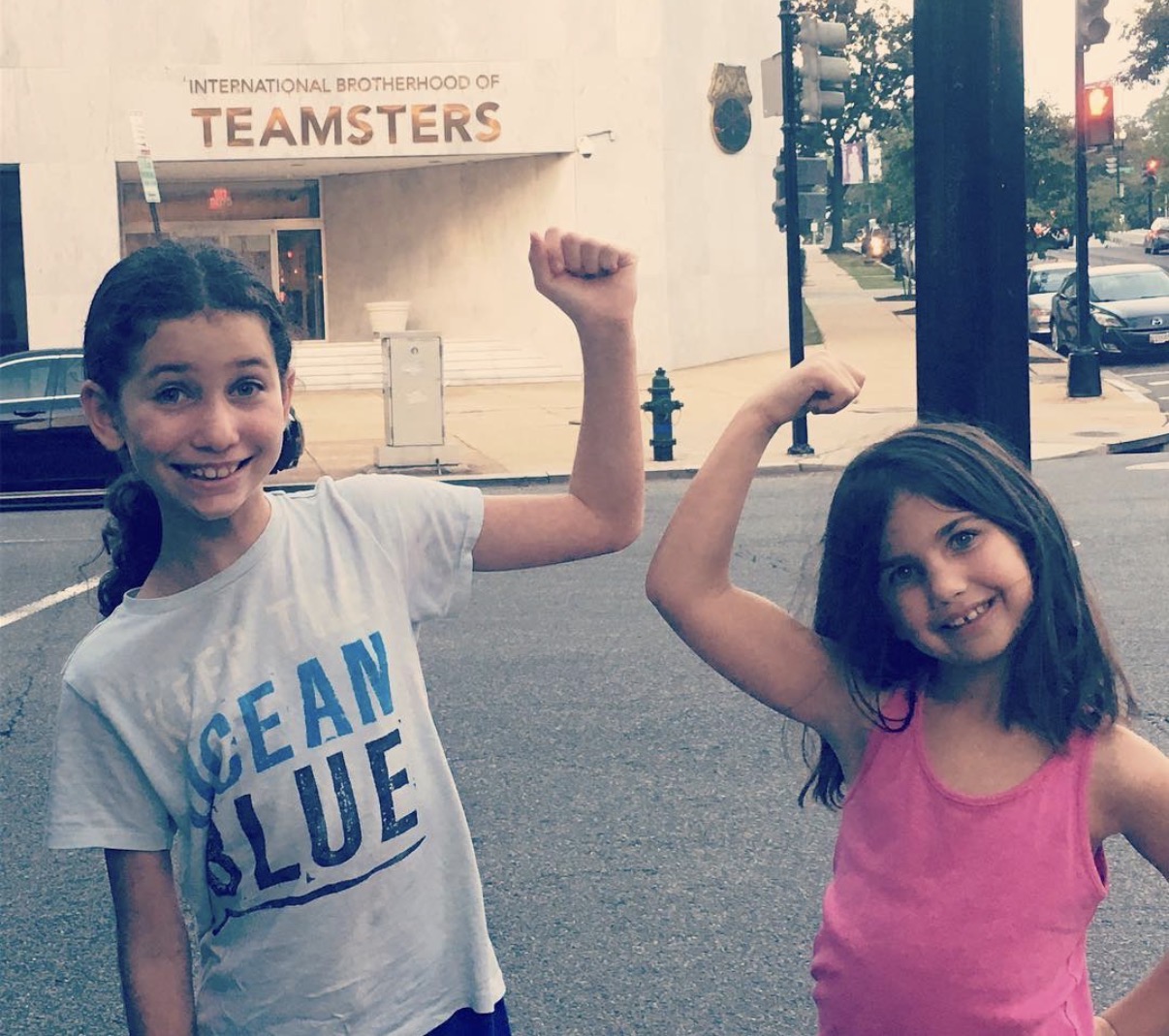
I was born and raised in Los Angeles, California, the daughter of two public servants, one a schoolteacher and the other a city analyst. I am a proud Mexican-Ukrainian American. Just like my father, I grew up in the Valley, except unlike him, I left the Valley for university.
My family, for generations, have been activists. My grandparents protested at UT Austin against the Vietnam War and led a campaign against the university president who called anti-war protesters “dirty nothings.” They also worked to successfully integrate schools in Austin, school-by-school, when the South fought against implementing Brown v. Board of Education.
While I was growing up, my father was a leader in his union, and my mother was very actively involved in the Los Angeles teachers’ union. Naturally, then, I grew up a daughter of the unions: I remember the picket lines, wearing red on union Wednesdays, and going to school board meetings to hiss. Fighting for civil liberties in schools is in my blood.
My activism continued through everything from rallies to oppose Trump administration policies to separate children from their parents at the U.S.-Mexico border and union solidarity work to lobbying for my school board to install solar panels and organizing beach cleanups.
I’m also a music composer and conductor, which I began at age 14. As a composer, I write music, tell stories, and create a framework to be carried out by the musicians. As a conductor, I shape time and energies to convey meaning, leading orchestras and ensembles of over 100 people. Music has a real power to convey stories and convince people to look to the world in different, uncomfortable ways. As Nina Simone said, “An artist's duty… is to reflect the times.” Through music, I have told the stories of our time and the times that shaped ours.
At Princeton, I am an economics major currently writing my junior independent work on how the legalization of sports betting affects rates of intimate partner violence. Outside of USG, I am a player on Princeton Club Flag Football, conductor of Princeton Playhouse, member of Rose Castle Society, vice chair for events for the Julius Rabinowitz Center for Public Policy and Finance, a community living advisor for Cuyler Hall, and a proud, well-fed member of Terrace F. Club.
I want to spend my life in music, but I have not forgotten the people, unions, and movements that made me. I am running for USG President to serve this community as my parents and their parents have served theirs: With courage and grit and the determination that a better world remains possible. This work won’t make it on to my music résumé, but I hope it will make a difference for current and future Princetonians and the many years of student leaders, advocates, and changemakers that will succeed me. In this election, I hope to earn the right to keep fighting for you.